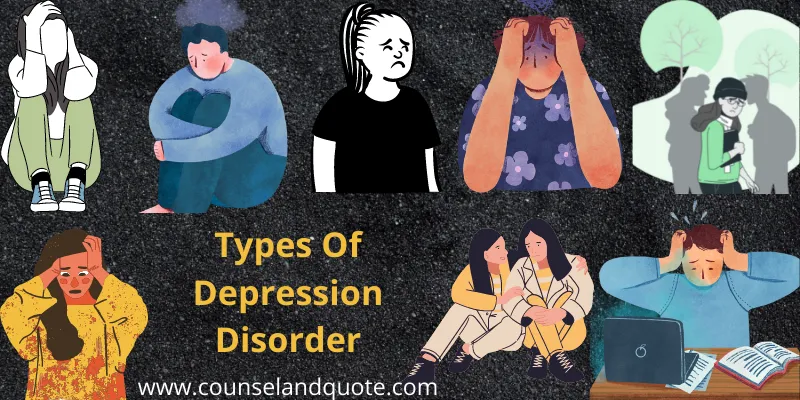
Types Of Depression Disorderis the new talk of the town. There is an outrageous wave of mental health issues popping out of nowhere.Swift changing lifestyle is also altering our mental and emotional health.
This article will give you a glimpse of all probable Types Of Depressive Disorder. This might even present some of those types that you are utterly unaware of till now. A couple of them were new for me too.
I was particularly curious about the reason behind the increasing mental illness nowadays. One of them undoubtedly is the“Covid-19 Pandemic.”
The major surge can be seen instress, loneliness, and anxiety.
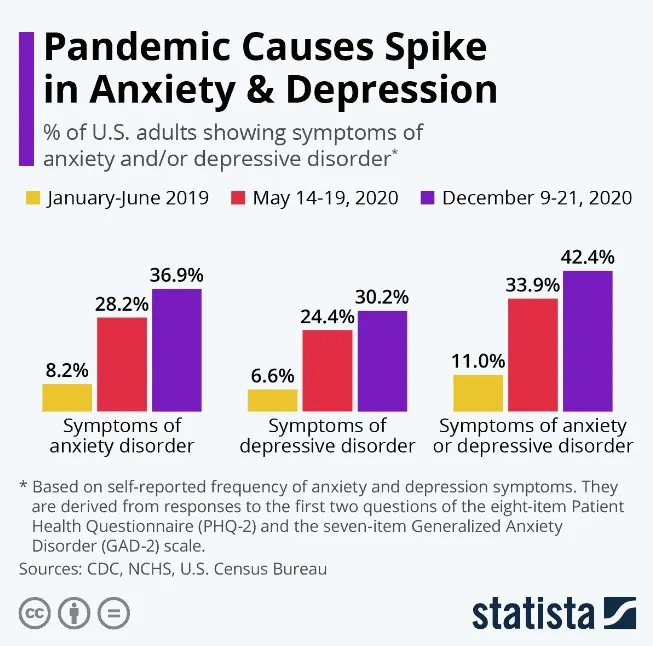
Our environment and chemical imbalance, in general, play a pivotal role in determining the type of despair we fall into.
For the sake of preventing and treating ourselves both with medicine and a favorable environment, we should know about different Types Of Depressive Disorder.
The various types are slightly different in nature and symptoms. Let’s have a look.
Types Of Depression Disorder
There are 11 types of depression that we’ll discuss here. In a nutshell, it is a mood disruption that will negatively affect your thoughts, behavior, and your ability to function properly in a given situation.
Let’s get started and check out Different Types Of Depression Disorder.
1 – Major Depressive Disorder(MDD)

Other Names:
- Depression
- Major Depression
- Clinical Depression
- Unipolar Depression
- Unipolar Disorder
- Recurrent Depression
Yes, you read it right these all are the names of depressionbased on itsnature that affects you and your life.
This is a mood illness that is precisely marked by 2(two) weeks of persistent depressive moods and it falls under the category of poor mental condition. The usual time of inception is in the20s.
It is acommon illnessandalmost 3.1 million people between 12 and 17years of age in theU.S.haveexperienced at least one major depressive episode in the past year.
It also affectsmore females than males.
Causes:
- It could be in your genes because of having a family history
- Changes in your environment
- Changes in your lifestyle
- Due to certain medications
- Substance use illness
- Existing psychological sickness
Symptoms:
- Loss of interest in once enjoyable activities
- Low self-esteem
- Melancholic mood
- Low energy
- Pain without any clear origin
- Suicidal thoughts
2 – Seasonal Affective Disorder(SAD)

Other Names:
- Seasonal Depression
- Seasonal Mood Disorder
- Winter Blues
- Winter Depression
- Summer Depression
- Depressive Disorder With Seasonal Pattern
SAD is a mood disturbance that occurs seasonally at the onset of the different seasons ( especially winter) and, the affected ones exhibit depressive mood symptoms.
It is oftentimes taken lightly in the notion of normalseasonal bluesdue tochanges in the seasonal patterns. This is aseasonal kind of sadness that affects the person’s overall well-being.
It ismore common in females than males.And it is also foundmore in young adults than in older people.
Causes:
- It might be because of your Family History
- Disproportionate Biological Rhythm
- Low Vitamin D
- Low Serotonin Level
- High Melatonin
- Living too far from the Equator
- Because you already have other Mental Illness
- [Seasonal Affective Disorder Causes| 8 Massive Triggers]
Symptoms:
Summer Symptoms
- Agitation
- Anxiety
- Irritability
- Insomnia
- Decreased Appetite
- Weight Loss
- Restlessness
Winter Symptoms
- Feeling Remorseful
- Feeling Hopeless
- Feeling Melancholic
- Feeling Nauseous
- Feeling Worthless
- Feeling Fatigued
- Feeling Depressed
- Social Withdrawl
- Thoughts Of Death
- [Seasonal Affective Disorder Symptoms| A full list of 30+ Caution Signs]
3 – Persistent Depressive Disorder(PDD)

Other Names:
- Dysthymia
- Dysthymic Disorder
- Chronic Depression
Persistent Depressive Disorder or dysthymic disorder is a mood disorder that affects our behavior.It has more or less thesame symptoms as a major depressive disorder but, its symptoms are chronic,that is, they persist for about 2(two) years on most days for most time of the day.
Earlier the term“depressive personality”is used to define persistent depressive disorder but, it was changed in the1970s by Robert Spitzer.
The constant nature of persistent depressive disorder will negatively affect your life in every sphere.
Dysthymia may occursimultaneously with otherpsychological disorderslike anxiety and clinical depression.
Causes:
- It might be because of your Genes
- Lack Of Social Support
- Social Isolation
- Due to Stress
- Substance Use Disorders
- Major Life Changes
- It may be because of chronic health conditions
Symptoms:
- Low self-esteem
- Hopelessness
- Helplessness
- Low mood
- Loss of interest in usually enjoyable activities
- Disturbed thinking pattern
- Trouble Decision making
- Changes in appetites
- Changes in sleeping patterns
- Pain without any clear cause
- Suicidal behavior
4 – Psychotic Depression(PD)
Other Name:
- Depressive Psychosis
Psychotic depression is also one of the different types of depressive disorder. It is a type of major depressive disorder that is accompanied by the symptoms of psychosis.
People withseverity sometimes experience psychotic symptomsthus, making their disorder adepressive psychosis.
The usual onset of depressive psychosis isbetween 20 and 40 years of age.
According to the National Alliance on Mental Illness, around20 percent of people with depression have episodes so severe that they develop psychotic symptoms.
Causes:
- Sometimes maybe people who already have depression might be caught in depressive psychosis.
- Family members of those who have depressive psychosis are at increased risk of having it.
Symptoms:
- Hallucinations
- Delusions
- Paranoia
- Anhedonia
- Psychomotor retardation
- Sleep problems
- Worthlessness
- Fatigue
- Difficulty concentrating and making decisions
- Thoughts of self-harm like suicide and death
5 – Bipolar Disorder
Other Names:
- Bipolar affective disorder (BPAD)
- Bipolar illness
- Manic depression
- Manic depressive disorder
- Manic–depressive illness
- Manic–depressive psychosis
- Circular insanity
- Bipolar disease
Bipolar Disorder, from its very name, suggests (bi: two, polar: poles) that it affects thebipolar personin two extremes.Bipolar Disorderis a type ofmental illness starkly characterized by alteration of mania and depression along with hypomania.
All people with bipolar disorder experience manic episodes but not all of them experience depressive episodes. It affects around 46 million people worldwide. The data is increasing over time.
Types:
- Bipolar I Disorder
It includes severe mania thatrequires a person to be hospitalized.A bipolar person should at least experienceone manic episode for approximately a week.For a person to be diagnosed with Bipolar I Disorder, themania has to dominate along with hypomania and depression.
- Bipolar II Disorder
Women are more likely to be a victim of Bipolar II Disorder.For a person to be diagnosed with Bipolar II Disorder, one has to have experiencedmajor depressive episodes for at least two weeks with episodes of hypomania.
- Cyclothymic Disorder
Some people may havesymptoms that don’t fulfill the criteria to be diagnosed by either Bipolar I Disorder or Bipolar II Disorder. Thesepeople suffer from less severe symptoms of mania and depression for at least two yearsthat don’t make a major impact on the person’s life.
Causes:
- Genes may be one of the causes of bipolar disorder.
- It could be because of your environment.
- Less commonly, it may be caused by a neurological condition or injury.
Symptoms:
(i) Mania
- Increased impatience
- Highly over-confident
- Euphoric
- Psychotic features
(ii) Hypomania
(iii) Depression
- Total pessimism
- Feeling worthless
- Lack of concentration
- Feeling hopeless
- Unexplained regret
- Feel like crying
(iv) Mixed Mania
6 – Perinatal Depression And Postnatal Depression
Other Names For Perinatal Depression:
- Antenatal Depression
- Prenatal Depression
Other Name For Postnatal Depression:
- Postpartum Depression (PPD)
Both the above types of depression arerelated to pregnancy.
Perinatal Depression hits you during your pregnancy.From the time ofconception till childbirth,somewomen undergo depressive symptomsthat are known asperinatal or antenatal depression. It willnegatively affect fetal development.
Thepostpartum or postnatal disorder will manifest after a couple of weeks of your childbirth. Sometimes it’s is taken just as the“baby blues”but it’sway more disturbing and troubling for the child itself, parents, and other members of the family as well.
After thebaby is born 16% of womenare diagnosed as havingpostpartum depression although its usual onset is almost within a year of the birth of the baby.
Though the exact reason or cause of this type is not clear, still following are considered some of them.
Causes:
- Dramatic hormonal changes during and after the pregnancy.
- Physical changes resulting due to pregnancy.
- Due to existing mental health issues.
- You are anxious because of parenthood and its responsibilities.
- The complication in your pregnancy and delivery.
- Poor sleep cycles.
- Changes in your usual appetites.
- Lacking the required support during your time of need.
- Family history.
- Drug use disorder.
Symptoms:
- Extreme sadness
- Restlessness
- Anxiety
- Worthlessness
- Hopelessness
- Guilt
- Crying without any stipulated reason
- Fatigue
- Loneliness
- Fear of hurting the child
- Changes in sleeping pattern
- Changes in eating pattern
- Anger issues
- Irritability
- Lack of connection
- Concentration issues
- Suicidal thoughts
7 – Premenstrual Dysphoric Disorder(PMDD)

Other Name:
- Late Luteal Phase Dysphoric Disorder
Premenstrual Dysphoric Disorder is a severe and chronic extension of Premenstrual Syndrome(PMS) and it affects about 8% of menstruating women.
Hormonal changesduring eachmenstrual cyclewill exhibit not onlyphysical symptomsbut alsopsychological symptoms.It makes it veryhard to function in day-to-day life like in your relationships and society.
PMDD psychological symptomsaremore pronouncedand those withmood are severely affected.
It is basically a hormone-based disorderthat shows up in thedays or weeks leading up to their menstrual cyclesanddisappears completely until the next premenstrual phase.
Causes:
- Family history could be one of the reasons.
- It could be because of past experiences of trauma and violence.
- Due to the presence of other mental health issues.
- The habit of smoking might be one of the reasons.
Symptoms:
- Severe mood swings
- Melancholy
- Irritability
- Agitation
- Uneasiness
- Change in appetite
- Severe fatigue
- Anxiety
- Anger
- Swelling
- Bruising
- Insomnia/hypersomnia
- Breast tenderness
- Decreased interest in usual /social activities
- Reduced interest in sexual activity
- Heart palpitations
- Difficulty in concentration.
- [Know well these 3|Loneliness Depression Anxiety| A Deep Analysis]
8 – Adjustment Disorder
Other Names:
- Situational Depression
- Reactive Depression
Adjustment disorder occurs because of an unfavorable situation or a series of situations in a form of a reaction.
Generally, we all have a certain level of adjustment issues with any negative or unfortunate situation.
The problem occurs when the reaction blows out of proportion and, wereact many times more intensely than we should have otherwise.
There could bemany stressorsorrisk factorsthat can trigger it, involvingminor and major adversities.
This kind usuallycommences within one to three months of stressful events and continues till six months or the consequences of the stressors remain.
If left unchecked, it would morelikely progress and transform into a more serious psychiatric issue like Post Traumatic Stress Disorder(PTSD).
Womenare diagnosedtwiceas oftenas men.
Causes:
- Any life event that lies outside of your comfort zone.
- History of mental disorder
- Lack of proper support in your life.
- Death of a family member
- Having a divorce
- Losing a job and running out of certainty.
- Trauma
- Isolation
- A poor report card.
- Moving to a new neighborhood.
- Financial conflict
- Health issues
- Family conflict
- Relationship problems
- A serious accident
- Relocating
- natural disasters
- Comprehensive legal trouble
Symptoms:
- Sadness
- Hopelessness
- Lack of enjoyment
- Crying spells
- Nervousness,
- Anxiety
- Desperation
- Feeling overwhelmed
- Performing poorly in school/work
- Thoughts of suicide
- [Types Of Loneliness| A Deep Analysis Of 15 Lonely Types]
9 – Atypical Depression
Other Names:
- Depression With Atypical Feature
Atypical depression is a type that does not have typical features of major depressive disorder.In this type ofdepression,people tend to cheer and improve their mood temporarily in response to positive events.
While typical depression is not marked with this characteristic. Despite its name,atypical depression is very common. Females are four times more prone than males. Similarly,Youngsters are more likely to have it than older individuals.
It is morecommon in people who have any kind of Bipolar or Seasonal Affective Disorder.Patients withatypical depression are more likely to suffer from anxiety or personality disordersand it also causesgreater functional impairmentthan other forms of depression.
Causes:
- You may have a family history of any kind of depression.
- Poor functioning of neurotransmitters that regulates mood.
- A significant loss.
- Experienced a divorce or death of a beloved person.
- Physical and Mental abuse.
- Alcohol and drug abuse.
- Any type of serious health issues like cancer or heart disease.
Symptoms:
- Low mood
- Mood reactivity
- Hypersomnia
- Leaden paralysis
- Hyperphagia
- Weight Gain
- Interpersonal rejection sensitivity
- Suicide
- Poor body image
- Headaches
10 – Treatment-Resistant Depression(TRD)

Other Names:
- Treatment-Refractory Depression
If a person hastreatment-resistant depression,then thatindividual will not respond adequately to their prescribed antidepressant within a specified period.
There could be many causes because of which your depression is treatment-resistant although there isn’t any prescribed and clear one. All you need is to discuss your case with an expert or health care provider to find the best possible path to treat you properly.
Causes:
- It can be because of genes.
- Early discontinuation of treatment.
- Insufficient dosage of medication.
- Patient noncompliance.
- Misdiagnosis.
- Concurrent psychiatric disorders.
- Concurrent medical disorders.
- Longer and severe depression.
- Depression along with anxiety.
Symptoms:
- Increasingly intense and longer episodes of depression.
- Not getting good enough responses to typical depression treatments.
- Momentary improvements followed by the return of depressive symptoms.
- [I Feel Depressed For No Reason| Deep Analysis Of Whys & Hows]
11 – Disruptive Mood Dysregulation Disorder(DMDD)
DMDD first occurred as a disorder in theDiagnostic and Statistical Manual of Mental Disorders, Fifth Edition (DSM-5) in 2013andis classified as a mood disorder.
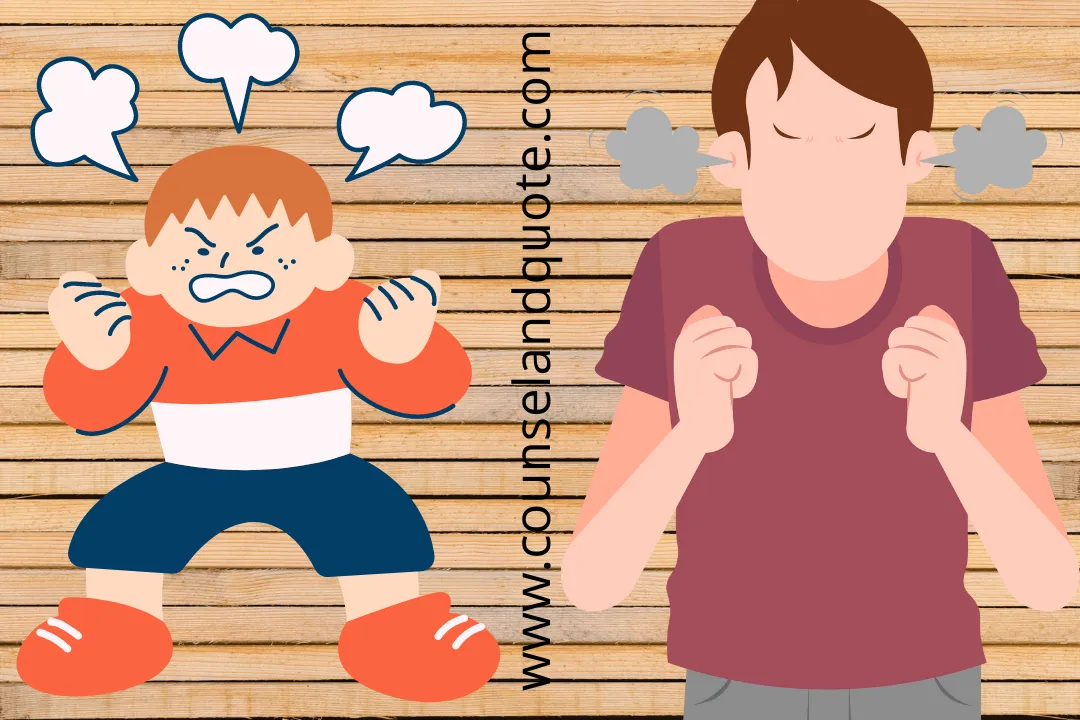
It is amental disorderthataffects children and adolescents and is marked by temper outbursts caused by consistent anger and irritability issues that are extreme and unnecessary.
Theoutbursts of children who have DMDD are way more severe and fierce than the typical reaction of same-aged children.
Children with DMDD showsevere and recurrent temper outbursts three or more times per week. These can be verbal or behavioral.
They could useabusive and toxic languageand they couldthrow stuff and scream and yell all around.
Causes:
- They have moodiness.
- Poor parental support.
- Disciplinary problems at school.
- Anxiousness
- Irritability
- Attention Deficit Hyperactivity Disorder(ADHD)
- Oppositional Defiant Disorder
- Anxiety Disorder
- Economically stressed settings
- Family conflicts
Symptoms:
- Severe and recurring blowups
- Tantrums that are out of proportions
- Severe irritability
- Anger
- Outbursts occur three or more times a week
- Outbursts happen in multiple settings
General Treatments Applied To Depressive Individuals
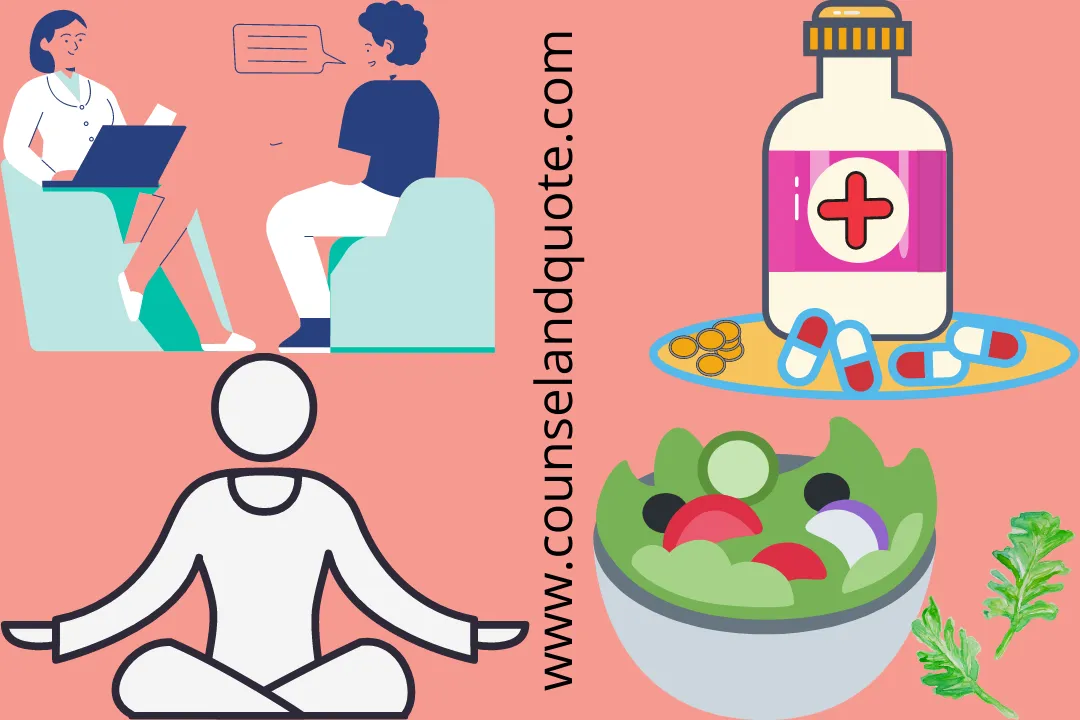
- Seek Professional Help– If we talk about treatment and remedies of the abovetypes of depression disorder, the most important thing in this is to connect and seek help from a professional. They will help you in figuring out your condition by discussing it with you with the help questionnaire and even providing you some tasks that would be according to your condition, of course.
- Medication/Antidepressants –Sometimes psychiatrists prescribe some medications that are anti-depressants that will help improve your state by altering your neurochemicals.
- Therapies –Various types of therapies are also applied to patients like cognitive behavioral therapy(CBT), electroconvulsive therapy, psychoanalytic therapy to treat their depression.
- Lifestyle Changes –They also recommend changing the lifestyles and negative environments of patients. They even tell you to adopt a holistic life approach. Take a walk. Have a pet. Choose supportive companions. Maintain a journal. And above all, don’t forget to BREATHE amidst the chaos.
- Healthy Foods –Leave junk foods outside the threshold of your house and mouth.
- Practice Mindfulness –It improves your mental and physical well-being.
- [Read Full Article: How To Deal With Loneliness And Depression In 25 Ways]
Above are the different types of depression disorder along with their other names, causes, symptoms, and remedies.
Either most of us are not really aware of all the types of depression or we kind of get confused among various types due to subtle differences.
For getting proper diagnosis and treatment, we should at least know the type with which we are suffering from.
I have put in my sincere effort in writing this utterly vital article. I hope you’ll find it informative and appreciable. Kindly let me know of your valuable comments down in the comment section.
Do let me know if you find anything lacking so as to improve it and make it better for all the people out there.
Please share it with each and everyone for their benefit. You never know who needs to see this right now.
Thank you!
